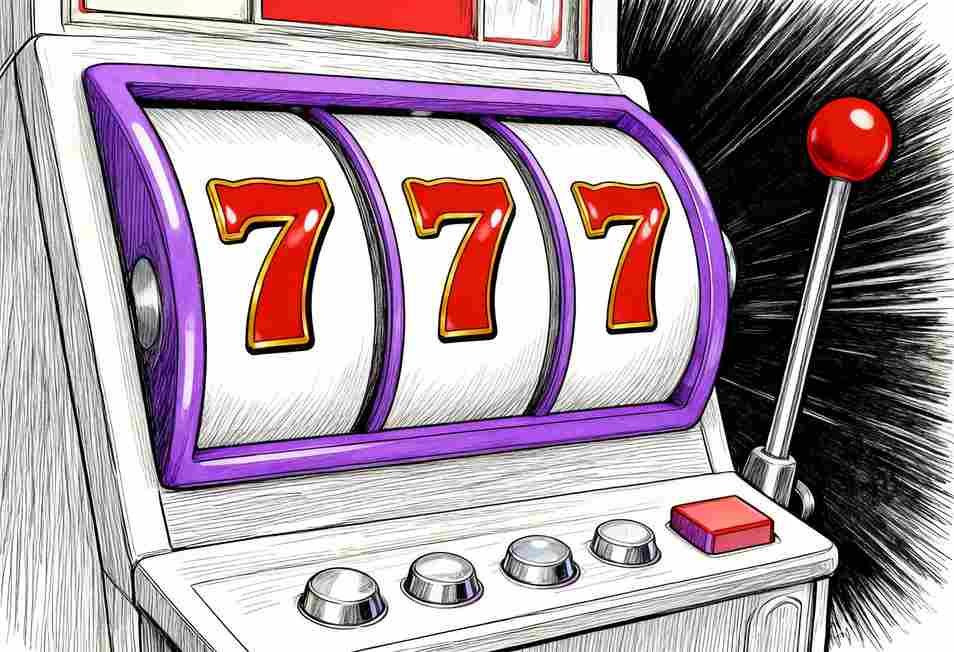
The online casino industry has grown exponentially over the past two decades, with the global market valued at over 53 billion AUD in 2020. As the industry continues to expand, online casinos must walk a fine line between providing entertainment and managing risk. This delicate balance is crucial for the long-term sustainability of the industry. For players looking for a trusted online casino experience, houseofjack.com is a great example of a platform that prioritizes both entertainment and responsible gaming.
In order to achieve this balance, online casinos employ a range of strategies, from implementing random number generators (RNGs) to using advanced player tracking tools. These tools help casinos to identify and support players who may be at risk of developing a gambling problem. By providing a safe and enjoyable experience for players, online casinos can build trust and loyalty, which is essential for their long-term success.
The Dual Nature of Digital Gambling: Fun vs. Probability
The concept of the “iGaming tightrope” refers to the challenge of balancing the entertainment aspect of online gaming with the need to manage risk. Online casinos are businesses designed to make a profit, but their longevity depends on providing a high-quality entertainment experience that keeps players safe. This balance is achieved through a combination of game mechanics, bonuses, platform technology, and player tools.
| Game Mechanics | Immersive Themes & Graphics | Random Number Generators (RNG) | Fairness & Engagement |
| Bonuses | Free Spins & Loyalty Points | Wagering Requirements | Controlled Incentives |
| Platform Tech | Seamless Mobile Play | Identity Verification (KYC) | Security & Accessibility |
| Player Tools | Achievement Badges | Deposit & Time Limits | Responsible Longevity |
By implementing these strategies, online casinos can provide an entertaining experience for players while minimizing the risk of problem gambling. For example, RNGs ensure that every spin or card deal is independent and unpredictable, while wagering requirements for bonuses prevent players from abusing the system.
Engineering Fun: The Psychology of Casino Entertainment
Developers of online casino games use a range of techniques to create “sticky” content that mimics the thrill of a physical casino. This includes the use of high-definition graphics, cinematic soundtracks, and engaging storylines. By creating an immersive environment, players are more likely to become fully engaged in the game and enjoy the experience.
Sensory Stimulation: Sound, Visuals, and Storytelling
The use of high-definition graphics and cinematic soundtracks is designed to stimulate the senses and create an immersive environment. For example, the popular online slot game, Gonzo’s Quest, features stunning graphics and a captivating storyline that draws players in and keeps them engaged. By combining sensory stimulation with engaging gameplay, developers can create an entertaining experience that keeps players coming back for more.
Gamification and Progression Systems
Modern online slots often incorporate elements of gamification, such as level-ups, missions, and achievement badges. These features provide a sense of accomplishment and progression, which can enhance the overall entertainment experience. For example, the game, Book of Dead, features a range of achievements and rewards that players can unlock as they progress through the game.
The Mathematical Foundation: Managing Risk through RNGs and House Edge
Online casinos use a range of mathematical techniques to manage risk and ensure that the “house always wins” in the long run. This includes the use of RNGs, which ensure that every spin or card deal is independent and unpredictable. The house edge, which is the built-in advantage that the casino has over the player, is also carefully managed to ensure that the casino can cover its operational costs while still providing players with a fair chance of winning.
The Role of Random Number Generators (RNG)
RNGs are algorithms that generate random and unpredictable outcomes. These algorithms are regularly audited and certified by third-party testing labs, such as eCOGRA, to ensure that they are fair and unbiased. By using RNGs, online casinos can ensure that every spin or card deal is independent and unpredictable, which helps to prevent cheating and ensures that the game is fair.
Understanding the House Edge and RTP
The house edge is the built-in advantage that the casino has over the player. This edge is typically expressed as a percentage, with lower percentages indicating a lower house edge. The return to player (RTP) percentage, which is the percentage of money that is returned to players over time, is also an important metric. For example, a slot game with an RTP of 95% will return 95% of the money wagered on it to players over time, while the casino retains the remaining 5% as its house edge.
Responsible Gambling: Tools for Player Protection
Online casinos have a range of tools and strategies in place to protect players and prevent problem gambling. This includes the use of proactive limitation tools, such as deposit limits and time limits, which can help players to manage their spending and playing time. Self-exclusion programs, which allow players to exclude themselves from playing for a set period of time, are also an important feature.
Proactive Limitation Tools
Proactive limitation tools, such as deposit limits and time limits, can help players to manage their spending and playing time. For example, players can set a daily, weekly, or monthly deposit limit, which can help to prevent them from overspending. Time limits can also be set, which can help players to take regular breaks and prevent them from becoming too engaged in the game.
Self-Exclusion and Reality Checks
Self-exclusion programs, which allow players to exclude themselves from playing for a set period of time, are an important feature of responsible gaming. Reality checks, which are regular reminders of the time and money spent playing, can also help players to stay in control. For example, a reality check might remind a player that they have been playing for two hours and have spent 100 AUD.
The Future of Balance: AI and Behavioral Analytics
The use of artificial intelligence (AI) and behavioral analytics is becoming increasingly important in the online casino industry. By analyzing player behavior and identifying patterns, AI can help to detect signs of problem gambling and prevent it from escalating. This can include identifying players who are betting erratically or playing for extended periods of time, and intervening to prevent them from developing a problem.
Author
Author: Marcus Sterling. Marcus Sterling is a veteran iGaming analyst and consultant with over 12 years of experience in the digital wagering industry. He specializes in game mathematics and regulatory compliance, helping platforms develop sustainable player-retention strategies that prioritize ethical gaming standards.
FAQ
How do online casinos ensure their games are not rigged?
Online casinos ensure that their games are not rigged by using RNGs, which generate random and unpredictable outcomes. These algorithms are regularly audited and certified by third-party testing labs, such as eCOGRA, to ensure that they are fair and unbiased. Licensing bodies, such as the Malta Gaming Authority (MGA) and the UK Gambling Commission (UKGC), also regulate the industry and ensure that online casinos comply with strict standards.
What is the difference between entertainment-based play and high-risk gambling?
Entertainment-based play refers to playing for the enjoyment of the game, without the intention of making a profit. High-risk gambling, on the other hand, refers to playing with the intention of making a profit, often with large stakes and a high level of emotional investment. While entertainment-based play can be a fun and enjoyable experience, high-risk gambling can lead to problem gambling and financial difficulties.
Can AI actually help prevent gambling addiction?
Yes, AI can help prevent gambling addiction by identifying patterns of behavior that are indicative of problem gambling. By analyzing player behavior and detecting signs of problem gambling, AI can intervene and prevent players from developing a problem. This can include identifying players who are betting erratically or playing for extended periods of time, and providing them with support and resources to help them stay in control.
Why do casinos offer bonuses if they involve high risk?
Casinos offer bonuses as a marketing tool to attract new players and retain existing ones. While bonuses can involve high risk, they are also a way for casinos to provide players with extended playtime and a more enjoyable experience. By offering bonuses with terms and conditions that are fair and transparent, casinos can help to mitigate the risk and ensure that players are aware of the potential risks and rewards.
What should I do if the “fun” starts feeling like a “risk”?
If you find that the “fun” of playing is starting to feel like a “risk”, it may be time to take a step back and reassess your behavior. This can include setting deposit limits, taking regular breaks, and seeking support from friends, family, or a professional organization. By prioritizing responsible gaming and seeking help when needed, players can enjoy the entertainment of online gaming while minimizing the risk of problem gambling.